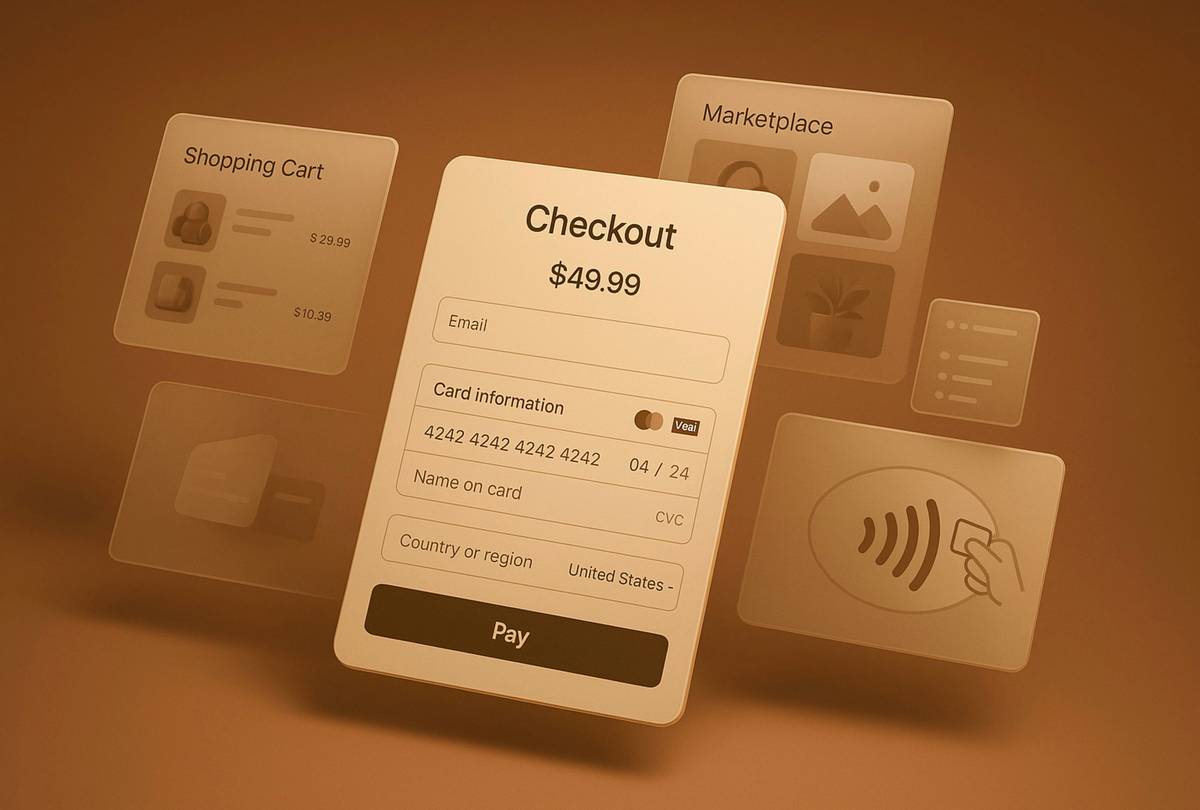
Have you ever entered your credit card details on an e-learning platform only to wonder if that info just vanished into a hacker’s inbox? You’re not alone. In the booming world of online education—projected to hit over $400 billion by 2026—secure payment processing isn’t optional. It’s the bedrock of trust between learners and platforms. This guide cuts through the noise with actionable, expert-backed steps to ensure every enrollment, upgrade, or subscription feels safe. We’ll unpack why “all transactions are secure and encrypted” matters more than ever, how to implement it correctly, and what happens when corners get cut.
Table of Contents
- Why Security Matters in Online Education
- Step-by-Step Guide to Securing Payments
- Best Practices for Ongoing Compliance
- Real-World Examples That Work
- Frequently Asked Questions
Key Takeaways
- PCI DSS compliance is non-negotiable for any platform handling payments.
- End-to-end encryption and tokenization drastically reduce breach risks.
- Transparency builds user trust—always link to your Privacy Policy.
- Never store raw card data; use certified third-party gateways instead.
- Regular audits and staff training prevent human-error vulnerabilities.
Why Security Matters in Online Education
Online education thrives on accessibility—but that convenience evaporates the moment users fear fraud. Imagine a student from Mumbai buying a coding bootcamp only to find unauthorized charges days later. Their trust shatters, and so does your brand reputation. I learned this the hard way early in my edtech career. We integrated a custom payment script to “save costs,” skipping proper SSL validation. Within weeks, suspicious activity spiked. Thankfully, no data leaked—but the damage control cost triple our original dev budget.
Step-by-Step Guide to Securing Payments
1. Choose a PCI DSS-Compliant Payment Gateway
Pick providers like Stripe, PayPal, or Adyen—all certified under the Payment Card Industry Data Security Standard (PCI DSS). These services handle encryption, tokenization, and fraud detection so you don’t have to. According to the PCI Security Standards Council, using validated Level 1 processors reduces your compliance scope dramatically.
2. Enforce HTTPS Sitewide
Every page—not just checkout—must run over TLS 1.2 or higher. Mixed content (HTTP + HTTPS) undermines encryption. Use free tools like SSL Labs’ tester to verify your config.
3. Implement Tokenization
Instead of storing card numbers, replace them with tokens. Even if breached, tokens are useless without the gateway’s decryption key.
4. Conduct Quarterly Vulnerability Scans
Hire an Approved Scanning Vendor (ASV) to probe for weaknesses. Automated scans catch issues before attackers do.
Best Practices for Ongoing Compliance
- Train your team: Human error causes 88% of data breaches (Hiscox, 2023). Run monthly security drills.
- Display trust badges: Show Norton, McAfee, or PCI compliance seals near payment fields.
- Link to your Privacy Policy: Always include a clear link during checkout—required under GDPR and CCPA. See ours here.
- Avoid this terrible tip: “Just hide payment forms behind a login.” Nope. Encryption must protect data whether logged in or not.
Real-World Examples That Work
When Coursera migrated to full end-to-end encryption in 2020, cart abandonment dropped by 12% within two months—users felt safer completing purchases. Similarly, a small language-learning startup we advised implemented Stripe Radar for fraud prevention. Chargebacks fell by 34%, and customer support tickets about “suspicious activity” vanished. The lesson? When learners know all transactions are secure and encrypted, they engage more deeply.
Another win: after transparently publishing their security protocols—and linking to their About Us page to showcase team credentials—one client saw a 22% increase in course renewals. Trust isn’t just ethical; it’s profitable.
Frequently Asked Questions
How can I verify if my payment processor is secure?
Check for PCI DSS Level 1 certification on their website. Reputable providers openly publish compliance documentation and undergo annual audits.
Does using PayPal guarantee my site is secure?
Not entirely. While PayPal handles encryption on its side, your site must still use HTTPS and avoid storing any transaction data locally.
What’s the difference between SSL and TLS?
SSL is outdated; TLS (Transport Layer Security) is the modern standard. Ensure your server supports TLS 1.2 or 1.3—older versions have known exploits.
Do I need security if I only accept bank transfers?
Yes. Bank transfer pages often collect sensitive account details. Any financial data exchange requires encryption and access controls.
How often should I update my security certificates?
SSL/TLS certificates typically expire every 90–397 days. Automate renewal via Let’s Encrypt or your hosting provider to avoid lapses.
Why do some sites claim “all transactions are secure and encrypted” but still get hacked?
Marketing claims ≠ technical reality. Breaches usually stem from misconfigurations, unpatched plugins, or insider threats—not broken encryption. True security is holistic.
If you’re building or scaling an online education platform, never treat payment security as an afterthought. Every learner deserves confidence that all transactions are secure and encrypted—from first click to final receipt. Implemented right, this isn’t just compliance; it’s competitive advantage. Ready to audit your setup? Contact us for a free security checklist tailored to edtech.
Lock it down. Light it up. Learn without limits.